Day-by-Day Itinerary
Day 1: ARRIVAL IN SEOUL — WELCOME TO THE LAND OF MORNING CALM
Morning: Arrive at Incheon International Airport, one of South Korea's major international gateways. After completing immigration, baggage collection and customs formalities, meet your representative/driver at the designated arrival area.
🚐 Begin your private transfer towards central Seoul. The journey from the airport to the city gives you your first introduction to Korea's impressive infrastructure, modern highways, surrounding mountains and dense urban landscape.
🏨 Upon reaching Seoul, proceed to your hotel and complete check-in. Depending on your flight arrival time, you can take some time to freshen up and relax after the journey.
☕ If the room is not yet available, leave your luggage at the hotel and enjoy a light coffee or snack nearby rather than spending your first few hours waiting around.
Afternoon: After some rest, begin your first exploration with Myeongdong, one of Seoul's most popular commercial and lifestyle districts.
🛍️ Walk through its lively pedestrian streets filled with Korean cosmetics, fashion stores, cafés, restaurants and small boutiques. The district is particularly enjoyable for first-time visitors because everything feels immediately energetic and accessible.
🍢 Take the opportunity to try some Korean street food. Depending on your preference, sample tteokbokki, hotteok, Korean dumplings, egg bread or Korean fried snacks.
📸 Keep your camera ready because Myeongdong is not simply a shopping area — the combination of shopfronts, signs, food stalls and passing crowds creates a very lively introduction to Seoul.
Evening: As the afternoon light begins to soften, travel towards Namsan Mountain.
🌆 The journey up towards the N Seoul Tower area provides an opportunity to see Seoul from a different perspective. The city spreads dramatically beneath the mountain, with modern towers surrounded by neighbourhoods and distant hills.
📸 If the weather is clear, sunset is an excellent time to photograph the skyline.
🌃 After sunset, watch Seoul transform into a sea of lights. The experience is particularly memorable for couples and first-time visitors.
Night: Return towards the central Seoul area for dinner.
🍚 For your first proper Korean meal, consider bibimbap, Korean barbecue, mandu or a traditional Korean set meal.
☕ After dinner, you can enjoy a relaxed café visit or take a short walk around the neighbourhood before returning to your hotel.
💤 Keep the first night relatively relaxed so you are rested for the following day's full cultural exploration.
Day 2: ROYAL SEOUL — PALACES, HANOK STREETS AND TRADITIONAL KOREA
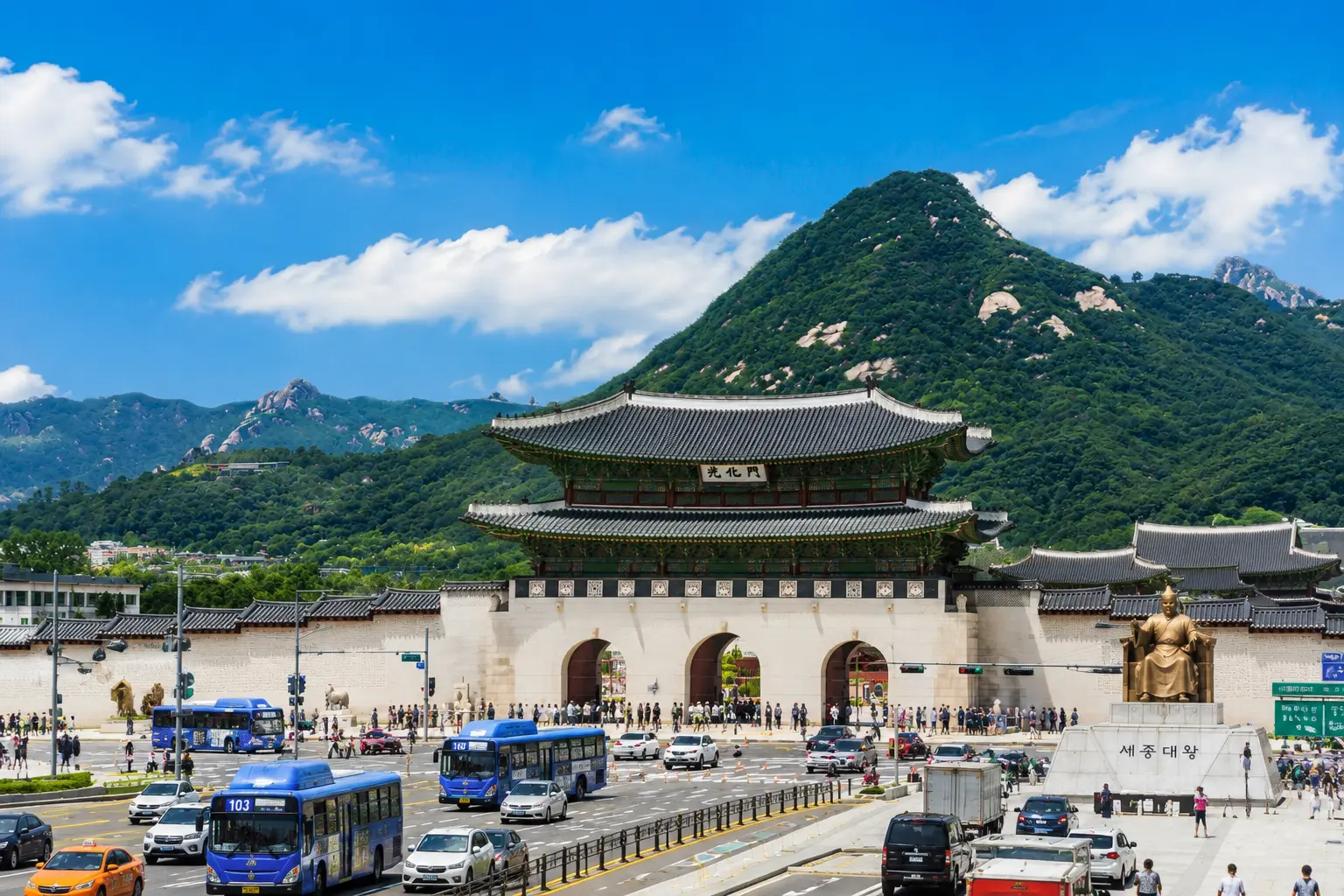
Morning: After breakfast, begin your first full day in Seoul with a visit to Gyeongbokgung Palace, one of the city's most important historical landmarks.
🏯 Walk through the palace gates and grand courtyards while learning about Korea's Joseon Dynasty and the role the palace played in the country's royal history.
📸 The traditional architecture, tiled roofs, courtyards and mountain backdrop create some of the best cultural photography opportunities in Seoul.
👘 For a more immersive experience, travellers can optionally rent a hanbok, the traditional Korean outfit, and explore the palace area dressed in traditional clothing.
🚶 Take your time rather than rushing through the complex. The appeal of Gyeongbokgung is in the architectural details, open courtyards and changing perspectives as you walk between the different sections.
Afternoon: After the palace visit, continue towards Bukchon Hanok Village.
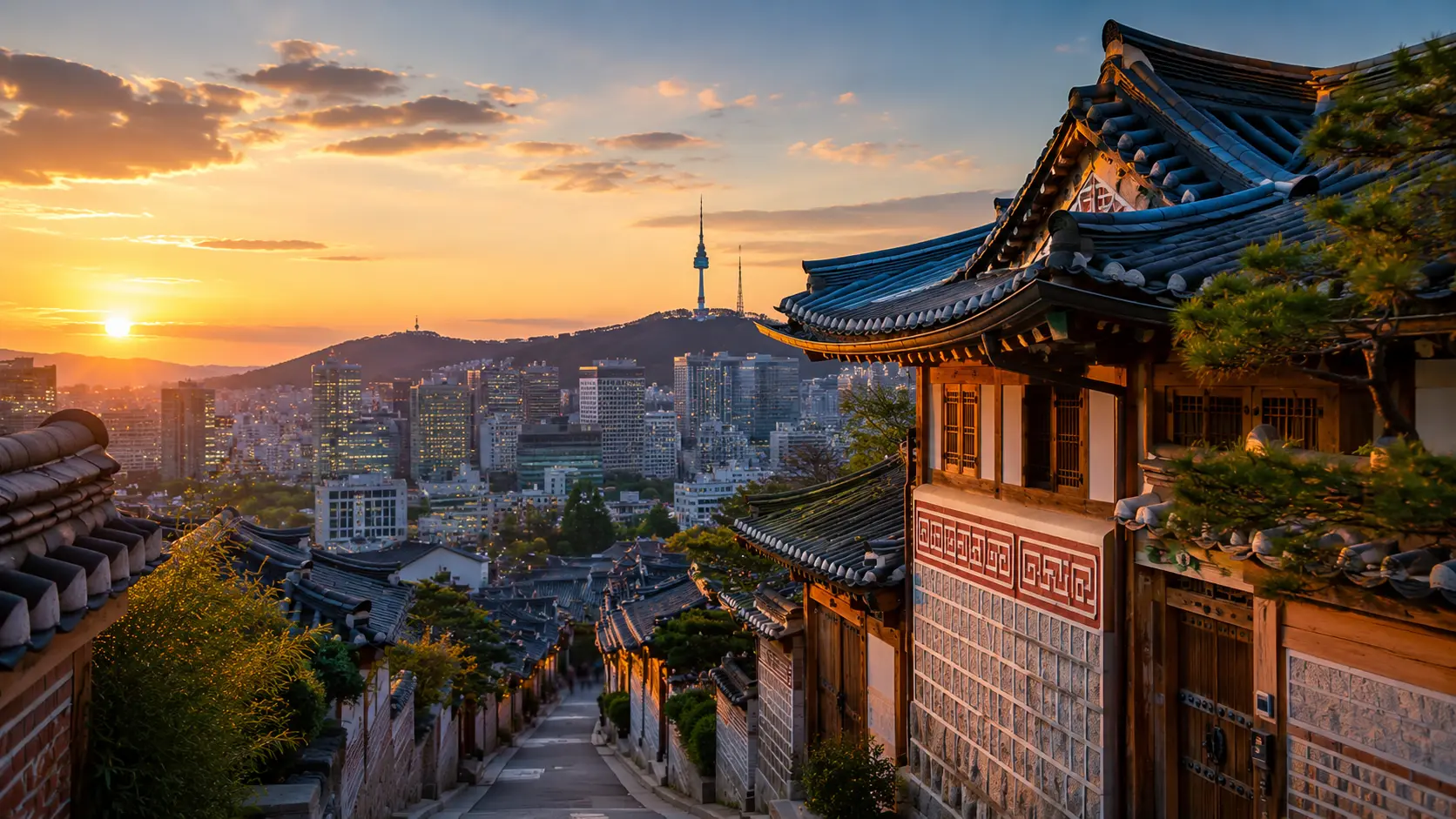
🏘️ Walk through the narrow lanes surrounded by traditional Korean hanok houses. Unlike a conventional museum, Bukchon allows visitors to experience traditional architecture within a functioning neighbourhood.
📸 The elevated lanes also provide excellent views across the traditional rooftops towards the modern Seoul skyline.
🍜 Stop for lunch at a nearby Korean restaurant. Depending on your preference, try japchae, bulgogi, bibimbap, mandu or a Korean noodle dish.
Continue towards Insadong, a district known for traditional crafts, tea houses, galleries and cultural souvenirs.
🍵 Take some time to sit inside a traditional Korean tea house and experience a slower side of Seoul.
🎁 This is also an ideal place to purchase traditional souvenirs such as handmade crafts, ceramics, calligraphy items and Korean decorative pieces.
Evening: As evening approaches, head towards Cheonggyecheon Stream.
🌊 Enjoy a leisurely walk beside the water while Seoul's skyscrapers rise around you.
🌆 The atmosphere changes considerably after sunset, when the surrounding city lights begin reflecting on the stream.
☕ Stop at a nearby café if you would like a short break before dinner.
Night: Return to Myeongdong for dinner and some free time.
🍗 This is an excellent evening to experience Korean fried chicken or another casual local favourite.
🛍️ Those interested in shopping can explore Myeongdong's stores after dinner, while travellers who prefer a quieter evening can return directly to the hotel.
💤 Overnight stay in Seoul.
Day 3: MODERN SEOUL — GANGNAM, COEX AND THE HAN RIVER
Morning: After breakfast, travel towards Gangnam, the modern and highly developed side of Seoul.
🏙️ Explore the area around COEX and visit the famous Starfield Library, where enormous bookshelves create one of Seoul's most recognisable contemporary interiors.
📸 The dramatic scale of the library makes it an excellent photography stop.
☕ Enjoy a Korean coffee or dessert at one of the cafés around the complex before continuing.
Afternoon: Visit Bongeunsa Temple, a peaceful Buddhist temple located surprisingly close to Gangnam's modern commercial district.
🛕 Spend some time walking through the temple grounds and observing the contrast between traditional Buddhist architecture and the skyscrapers surrounding it.
🍜 Have lunch around Gangnam.
After lunch, explore the contemporary side of Seoul through its shopping streets, cafés and modern architecture.
🛍️ Travellers interested in Korean fashion and beauty products can use this time for shopping.
☕ Seoul's café culture is also worth experiencing here. Many Korean cafés focus heavily on interior design, presentation and atmosphere, making even a simple coffee stop feel like part of the sightseeing experience.
Evening: Later in the afternoon, travel towards the Han River.
🌊 Take a relaxing walk along the riverside and enjoy a completely different atmosphere from central Seoul.
🚲 If weather permits, optional bicycle rental can be arranged for a short ride.
🍜 For a fun local-style experience, pick up snacks or instant noodles and enjoy them beside the river.
🌇 Sunset over the river can provide a beautiful end to your final full day in Seoul.
Night: After sunset, travellers looking for a more energetic evening can continue towards Hongdae.
🎶 The area is popular for youthful nightlife, street performances, independent shops, cafés and entertainment.
🧑🤝🧑 Friends and younger travellers will particularly enjoy this area.
For families or senior travellers, returning to the hotel after dinner may be more comfortable.
🍽️ Enjoy dinner at a Korean restaurant before returning to the hotel.
Day 4: SEOUL TO GYEONGJU — JOURNEY INTO KOREA'S ANCIENT KINGDOM
Morning: Enjoy breakfast and check out from your Seoul hotel.
🚆 Transfer to the railway station and board your train towards Gyeongju.
The journey south marks a major change in the character of the trip. Seoul's dense metropolitan environment gradually gives way to quieter landscapes and smaller urban areas.
🧳 Keep essential belongings accessible during the journey, particularly if travelling with children or senior citizens.
Afternoon: Upon arrival in Gyeongju, transfer to your hotel and check in.
After a short break, begin exploring the historic heart of the city.
🏺 Visit Daereungwon Ancient Tomb Complex, where enormous grass-covered royal burial mounds dominate the landscape.
🚶 Walk through the peaceful surroundings and learn about the Silla Kingdom and the royal families buried within the tombs.
The experience is completely different from Seoul. Instead of grand modern buildings, Gyeongju's historical landscape feels open, quiet and deeply connected to Korea's ancient past.
Continue towards Cheomseongdae Observatory. 🔭 This ancient astronomical observatory is one of Gyeongju's most recognisable historical structures.
📸 The surrounding open landscape makes this area particularly beautiful during late afternoon.
Evening: As evening approaches, visit Hwangnidan-gil.
☕ This fashionable street combines traditional architecture with modern cafés, restaurants, boutique stores and dessert shops.
🍰 Try a Korean dessert or traditional-inspired snack while exploring the area.
📸 The combination of old-style buildings and modern Korean lifestyle makes Hwangnidan-gil one of the most enjoyable places to experience Gyeongju's contemporary personality.
Night: Enjoy dinner at a local restaurant.
🍚 Consider trying a traditional Korean set meal featuring multiple small side dishes.
🌙 After dinner, take a gentle evening walk through the historic district if you still have energy.
Gyeongju is considerably quieter than Seoul, making the evening ideal for slowing down and enjoying the atmosphere.
Day 5: THE SILLA KINGDOM — BULGUKSA, SEOKGURAM AND WOLJI BY NIGHT
Morning: After breakfast, depart for Bulguksa Temple, one of Gyeongju's most important cultural and Buddhist heritage sites.
🏯 Explore the temple's courtyards, stone structures, pagodas and traditional architectural details.
🌳 The surrounding mountain environment adds another dimension to the experience, particularly during spring and autumn.
🙏 Take some quiet time to appreciate the spiritual atmosphere rather than treating the temple purely as a sightseeing stop.
📸 Morning light is particularly pleasant for photography.
Afternoon: Continue towards Seokguram Grotto in the mountains.
⛰️ The journey itself is scenic, taking you away from the city into a more natural environment.
🙏 Explore the heritage site and learn about its Buddhist significance and craftsmanship.
🍜 Return towards Gyeongju for lunch.
After lunch, enjoy some free time in the city.
☕ You may visit a local café, browse traditional shops or simply relax at the hotel.
This intentional slower period is important because Gyeongju is best appreciated without trying to fill every minute with attractions.
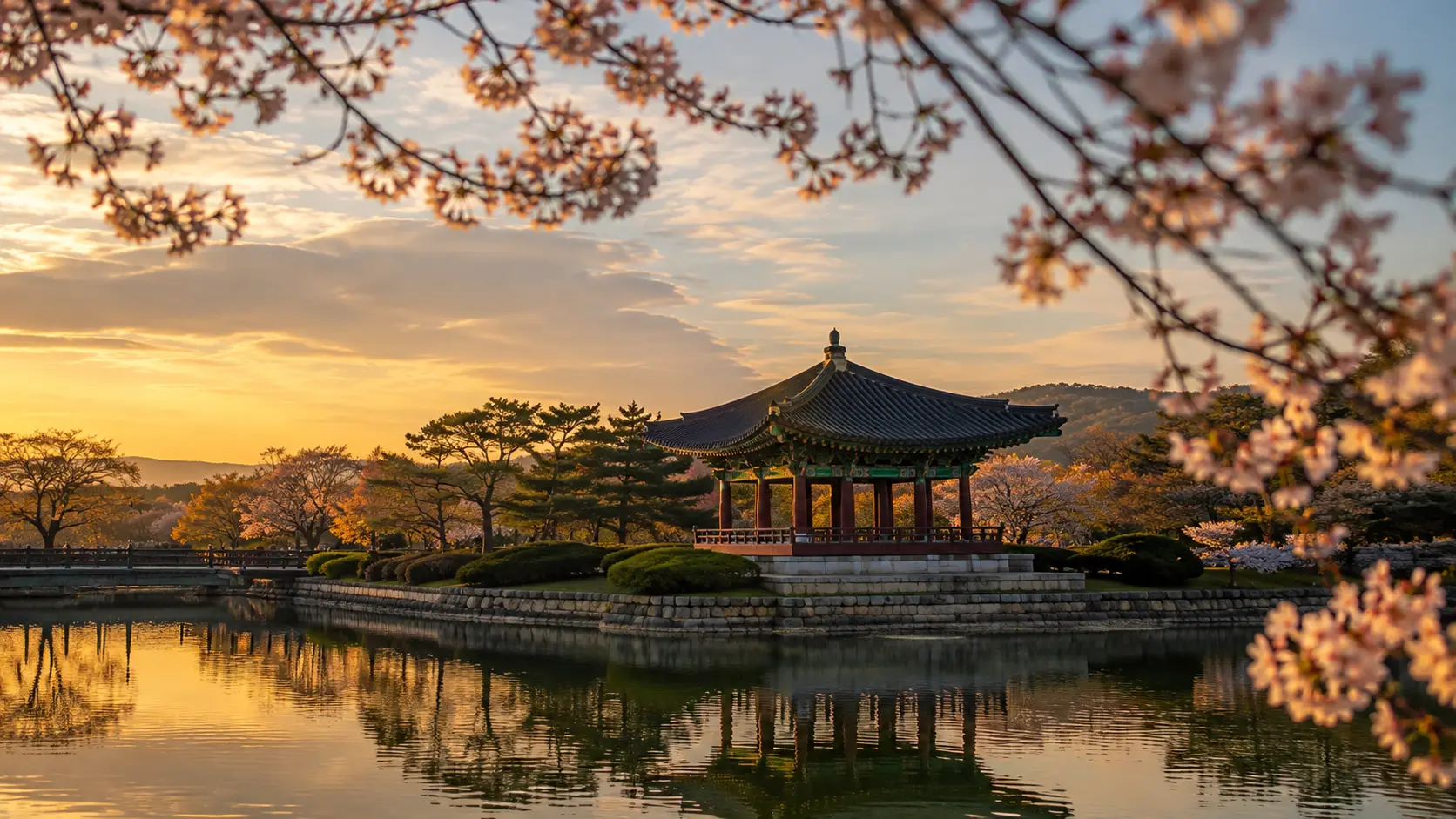
Evening: As daylight begins to disappear, visit Donggung Palace & Wolji Pond.
🌙 This is one of the signature evening experiences of Gyeongju.
The illuminated palace structures reflected across the pond create a peaceful and cinematic atmosphere.
📸 Allow enough time here for photography because the reflections become particularly beautiful once the lights are fully visible.
🚶 Walk slowly around the pond and enjoy the quieter atmosphere.
Night: Return towards the city centre.
🍵 Enjoy a final Korean dessert or tea.
💤 Return to your hotel for a relaxed night, because tomorrow the itinerary moves from ancient heritage to the coastline of Busan.
Day 6: GYEONGJU TO BUSAN — FROM ANCIENT HERITAGE TO THE KOREAN COAST
Morning: Enjoy breakfast and check out.
If time permits, make a short visit to Gyeongju National Museum.
🏺 The museum provides useful context about the Silla Kingdom and helps connect the historical sites visited during the previous two days with the archaeological discoveries associated with the region.
Alternatively, travellers who prefer a relaxed morning can enjoy breakfast at leisure and take one final walk around the historic centre.
Afternoon: 🚐/🚆 Travel towards Busan.
Upon arrival, check into your Busan hotel and take some time to refresh.
Then begin exploring Haeundae, one of Busan's most famous coastal districts.
🏖️ Walk along Haeundae Beach and enjoy the contrast between the city's modern skyline and the open sea.
🌊 The beach area is ideal for a relaxed afternoon after several days of intensive sightseeing.
☕ Stop at a beachfront café and enjoy Korean coffee or dessert.
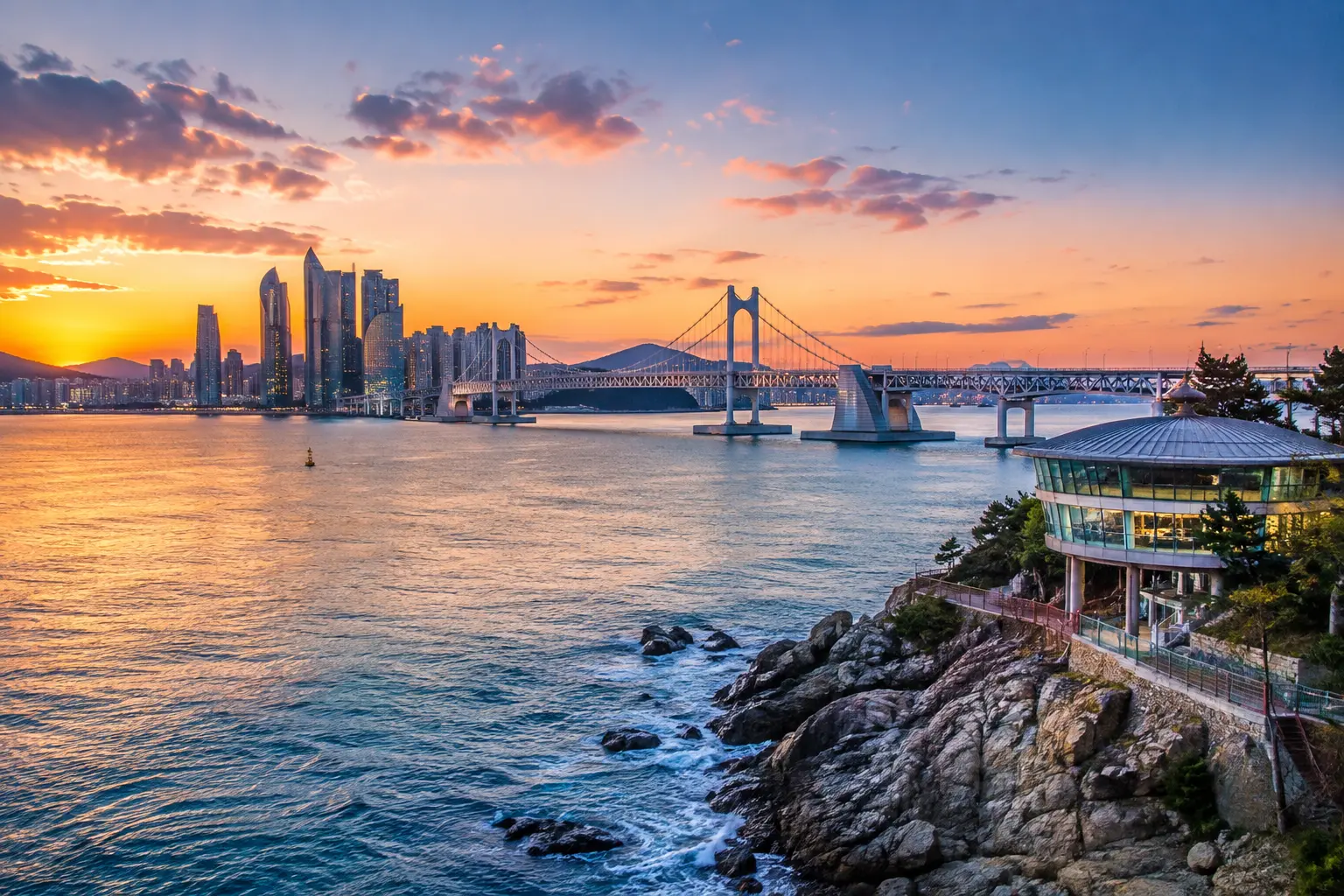
Evening: Later, travel towards Gwangalli Beach.
🌅 Arrive around sunset if possible so you can experience both daylight and evening views.
🌉 Once darkness arrives, Gwangan Bridge becomes illuminated across the water, creating one of Busan's most recognisable night scenes.
📸 This is an excellent place for couples, photographers and anyone looking for a relaxed evening rather than another historical attraction.
Night: Enjoy dinner in Busan.
🐟 Seafood lovers can try fresh local seafood, grilled fish or other Korean coastal specialities.
🍜 Travellers who do not prefer seafood can easily choose Korean barbecue, noodles, dumplings or other local dishes.
🌃 After dinner, enjoy a final walk along the waterfront before returning to the hotel.
Day 7: BUSAN COASTAL ADVENTURE — TEMPLE, SKYLINE, ART AND SEAFOOD
Morning: Start early after breakfast and travel towards Haedong Yonggungsa Temple.
🛕 This spectacular temple is famous for its dramatic coastal setting, with traditional Korean architecture positioned beside the sea.
🌊 The combination of ocean, cliffs, stone stairways and temple buildings creates one of the most memorable scenes of the trip.
📸 Morning is recommended because it can provide softer light and a more comfortable sightseeing experience.
🙏 Take time to explore the temple complex and enjoy the sound of the sea below.
Afternoon: Continue towards the Haeundae Blueline Park area.
🚋 Depending on availability and the final package arrangement, experience the coastal railway/sky capsule attraction along Busan's shoreline.
🌊 The journey provides panoramic views of the sea and coastline while giving you a more relaxed way to explore the area.
🍜 Stop for lunch around Haeundae.
After lunch, enjoy some free time around the beach and surrounding streets.
☕ Busan's café culture is particularly enjoyable here, with many cafés offering views towards the coast.
Evening: Continue towards Gamcheon Culture Village.
🎨 Walk through the colourful hillside neighbourhood, where houses, murals, stairways, small galleries and cafés create a completely different atmosphere from Haeundae.
📸 Allow enough time to explore beyond the main viewpoint. Some of the most interesting moments come from wandering through the smaller lanes and discovering unexpected murals and viewpoints.
🎁 Small art shops and craft stores also provide opportunities to pick up unique souvenirs.
Night: Finish the day in the Jagalchi/Nampo-dong area.
🐟 Explore Jagalchi's seafood culture and observe how deeply the sea is connected to everyday Busan life.
🛍️ Continue through nearby Nampo-dong and BIFF Square, where food stalls, shops and entertainment create a lively evening environment.
🍢 Try local snacks such as hotteok, fish cakes and other Korean street foods.
🌃 Return to the hotel after dinner and enjoy your final night in Korea.
Day 8: BUSAN DEPARTURE — ONE LAST MORNING BY THE SEA
Morning: Enjoy breakfast at the hotel and take advantage of your final morning in Korea.
Rather than adding another major attraction, keep the final morning intentionally relaxed.
☕ Enjoy a final Korean coffee.
🌊 Take a short walk near the beach if your hotel is located around Haeundae.
🛍️ Alternatively, use the morning to purchase final souvenirs and Korean snacks.
📸 Take a few final photographs of Busan before leaving.
Afternoon: Return to the hotel, collect your luggage and check out.
🚐 Meet your driver and transfer towards Gimhae International Airport according to your flight departure time.
🧳 Keep your passport, boarding documents, valuables and essential medicines in your hand luggage.
Evening: Complete airport check-in and security formalities before your international departure.
✈️ As the journey comes to an end, you leave with three very different memories of Korea:
🏯 Seoul — the sophisticated capital where royal history meets modern Korean culture.
🏺 Gyeongju — the ancient Silla capital where temples, tombs and archaeological treasures tell Korea's story.
🌊 Busan — the coastal city where beaches, seafood markets, colourful neighbourhoods and illuminated bridges create a completely different rhythm.